A good 403(b) session that I missed at the Louisville conference this year at NAGDCA.
Ben Taylor did a great job moderating a panel topic that can sometimes get bogged down in the weeds.
Scott Dauenhauer, CFP, MSFP, AIF


"The notice must be provided in a manner designed to ensure delivery to each employee individually. For example, posting a notice in the employee lounge by itself is not an acceptable delivery method. However, a sum- mary provided at a benefits fair followed up by quarterly payroll stuffers would probably suffice. There is no requirement for a written receipt from each employee that they have received the annual notice." (emphasis added)

403(b)ad: The real reason Walter White broke bad http://t.co/hTv9cQ5iR6
— Dan Otter (@403bwise) September 23, 2013

While this is no surprise to me, it provides further support that associations working to undermine fiduciary based advice in 403(b) plans are pursuing a goal that is clearly divergent from the participant base they seek as clients.
- More than nine in ten (93%) respondents indicate that they would favor requiring plan providers to give advice that is in the best interest of plan participants. Nearly as many (89%) favor requiring plan providers to explain, prior to giving advice, if the advice is not required to be in the best interest of plan participants.
- More than three in four (77%) respondents indicate that they are concerned by the fact that investment advice from plan providers is not required to be in the best interest of individual plan participants. Fewer—yet still a majority (62%)—describe themselves as concerned by the fact that their plan provider can give advice to plan participants while making money from their investment selections.
- Before reading a statement explaining that investment advice from plan providers is not required to be in the best interest of individual plan participants, just over nine in ten (93%) plan participants indicated that they either “completely” or “somewhat” trust their plan provider to manage their 401(k) or 403(b) investments in their best interest, while nearly as many (87%) respondents said that they trust their plan provider to give them investment advice that is in their best interest.
- After reading that advice from plan providers is not required to be in the best interest of plan participants, half (50%) of respondents indicate that this information makes them “less likely” to trust their 401(k) or 403(b) provider for advice while just over one in three (37%) indicated that it has “no impact” on their level of trust.
- When asked to indicate whether they would prefer to receive advice about their 401(k) or 403(b) plan from someone that may make money from their investments or no investment advice at all, reactions are mixed. Almost four in ten (39%) said that they would choose “advice from someone that may make money from the investments I choose,” but nearly as many (31%) indicated that they would choose “no investment advice at all.” Another three in ten (29%) indicated that they “don’t know” which they would choose.
- Approximately eight in ten (81%) respondents agree that it is important to get investment advice about their retirement from an independent advisor who does not earn money based on their investments.
- Fewer than four in ten (36%) respondents would trust the advice from an advisor who is not required by law to provide advice that is in their best interest.

Last November, the District Retirement Committee distributed a survey to all employees regarding its optional retirement plans. The results of that survey indicated that employees desired an improved plan design, better education and communication, and lower fees. In addition, the District received negative feedback from employees regarding some of the existing 403(b) and 457 providers, and there had been no official performance or fee review process in place to address these concerns. Further study revealed large discrepancies among the different providers regarding products offered and fees charged.St. Vrain instead is offering the state plan, Colorado PERAPlus 401(k) and 457(b) as the sole provider going forward.
The benefits of taking this course of action include the following:
- PERAPlus is the lowest-cost optional retirement savings plan for Employees
- Clear, consistent education by a single organization—education meetings are coordinated by the District but provided by PERA at no cost
- Reduced fiduciary responsibility by SVVSD and the Retirement Committee
- Removed need to retain portfolio consultant for plan/investment oversight
- Reduced administrative and compliance burden on the Financial Services Department
- Removed sales culture surrounding District retirement plan offerings
It's not clear why St. Vrain decided to freeze the 403(b) instead of reforming it, but the politics of reforming the 403(b) may have played a part. In addition, I believe that the lack of a clear ability to delegate fiduciary duty (no state based 403(b)) played a part.
- Least disruptive option to existing participants; old plan will eventually phase-out through attrition


Silverado Resort and Spa in Napa ValleyExplore all that the Napa Valley has to offer in your limousine wine tasting excursion. Later, you can unwind with a soothing fireside massage or full service spa.
Pebble Beach LodgeEnjoy this world-renowned resort, while indulging in two rounds of golf at the infamous Pebble Beach courses.
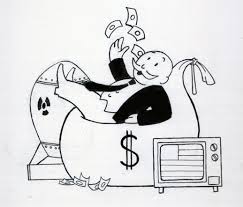
“We maintain that improving transparency is a far better approach to improving the 403(b) marketplace, than taking away public school employees retirement choices.”How convenient. Parade around a confusing disclosure document that doesn’t actually disclose pertinent items like exotic trips and whether or not the agent is acting as a fiduciary rather than addressing the actual problem. Having said that, I think that insurance companies, insurance agents and insurance marketing organizations should be transparent about what incentives are behind the sales of their products.

I'm a big advocate of auto-enrollment, in fact I just finished a four-part series titled "Make It Automatic" which you can find here, here, here and here. One of the biggest opponents I've encountered to auto-enrollment is the NTSAA organization, which is part of ASPPA (for a bit of irony, read this). The NTSAA believes that individual insurance agents and registered representatives should enroll people and that there should be an unlimited number of products available for 403(b) plans - the exact opposite situation needed for auto-enroll.“We need to expand coverage to those without a plan at work. We need to make it seamless for workers to save through greater utilization of auto-enrollment. And we need to make sure we focus on outcomes so the system produces the retirement results reasonably expected by both plan sponsors and participants.”
and“We’re getting more than 2 percentage points of fees from the assets that are part of our annuity business,” Mark Grier, Prudential’s vice chairman, said at a Citigroup Inc. financial-services conference in Boston today. “In your businesses, you probably would dance in the street over 40 or 50 or 60 basis points.”
“The quantitative evidence is that that pricing is sustainable in the market,” Grier said today. “People want to pay for the features that these products provide and they’re willing to pay those kinds of prices.”Now you know what makes insurance companies dance, but are they overcharging? It seems that if the pricing were enough to cover the risks and a reasonable profit, nobody would be dancing, just reasonably happy. This guy sounds downright giddy. Is it possible that the benefits now offered on most annuity products are so benign as to not represent a real cost to the insurance provider and thus the extra fees really are gravy?